
English vocabulary and phrases on Mid-Autumn Festival








attenuate means . Learn how to pronounce and use attenuate through vivid examples and easy-to-understand exercises.
 /əˈtenjueɪt//əˈtenjueɪt/
Okay, "attenuate" is a tricky word! Here's a breakdown of how to pronounce it, with a focus on the common difficulties:
The complete pronunciation is: "uh-ten-oo-ate"
Here's a breakdown of the stresses:
Tips & Tricks:
Syllable Breakdown: Break it down into three syllables: “uh-ten-oo-ate” to help with rhythm.
Listen to Examples: This is the most important thing. Hearing it spoken correctly is crucial. Here are a few resources:
Don't over-articulate the "t": The "t" in "ten" isn't as strong as it often sounds in English. It's more like a "d" sound that's partially softened.
Practice: Say it repeatedly, slowly, and then faster. Record yourself and compare it to a good pronunciation.
Would you like me to:
Let's break down how to use the word "attenuate." It's a slightly more formal and less common word than simply "reduce," but it can add a touch of precision and sophistication to your writing and speech.
"Attenuate" means to gradually diminish or weaken. It describes a slow, progressive reduction in intensity, volume, or strength. It’s about a softening or lessening, not an abrupt stopping.
Here’s how you can use "attenuate" in different contexts, with examples:
Sound/Noise: This is where "attenuate" is most commonly used.
Light:
Temperature:
Colors/Intensity:
Symptoms (Medical/Psychological - use carefully): (This is a more nuanced area. It’s often better to use “lessen” or “reduce” here unless you’re specifically trying for a clinical tone.)
Emotions (Figurative - use cautiously): You can use it metaphorically, but it's often better to choose a more direct word.
Formal Tone: “Attenuate” is a more formal word. It’s suitable for academic writing, technical contexts, or when you want to sound precise. In everyday conversation, “reduce,” “diminish,” “weaken,” or “lessen” are usually preferable.
Gradual Process: This is key. "Attenuate" suggests a continuous, gentle reduction. If something is stopping abruptly, "reduce" or "stop" are better choices.
Synonyms: Useful synonyms include: diminish, reduce, weaken, lessen, soften, decrease, fade.
Resources for Further Study:
Would you like me to:
English vocabulary and phrases on Mid-Autumn Festival

Tips to improve vocabulary in communication

English vocabulary by topic: Clothes

The secret to remembering all 50 English vocabulary words every day easily
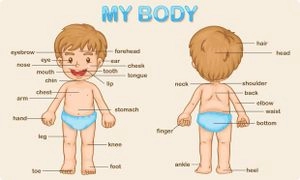
English vocabulary by topic: Human body

Vocabulary of the most popular subjects in English

Learn English about Covid: All about vocabulary and disease prevention
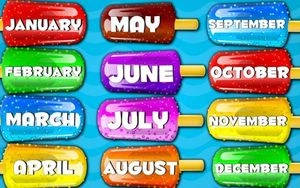
Vocabulary of Subjects in English

Set of 60 English vocabulary on educational topics

Vocabulary - just a small thing!
Comment ()