
English vocabulary and phrases on Mid-Autumn Festival








complication means . Learn how to pronounce and use complication through vivid examples and easy-to-understand exercises.
 /ˌkɒmplɪˈkeɪʃn//ˌkɑːmplɪˈkeɪʃn/
Okay, let's break down how to pronounce "complication" in English. It can be tricky! Here's a breakdown, and then I’ll offer tips:
The Pronunciation:
Putting it all together: kuhm-plick-AY-shuhn
Here's a more detailed breakdown with sounds (using the International Phonetic Alphabet - IPA - which is the most precise way to represent pronunciation):
/kəˈmplɪkeɪʃən/
Tips for Getting It Right:
Stress: The emphasis is on the second syllable: ˈkeɪ. That's where you should put most of your energy when saying it.
The "mpley" sound: Really focus on the blended vowel sound in "mplɪ." Think of it as "m" followed by a quick glide toward "pley." Don't say it as two separate syllables.
"shun" at the end: Make sure you have a clear "sh" sound followed by the "un" sound.
Listen to examples: This is crucial. The best way to learn is to hear native speakers say it. Here are a few resources:
Would you like me to:
Let's break down how to use the word "complication" effectively in English. It's a versatile word with a specific meaning, so understanding its nuances is key.
At its simplest, a "complication" is something that makes a situation more complicated, difficult, or problematic. It adds an extra layer of difficulty or difficulty beyond the initial issue.
Noun: This is the most common usage. It refers to the thing causing the complexity.
Verb (less common): "To complicate" means to make something more complicated.
"Complication" can be used in many different contexts. Here are some examples:
Example Paragraph Using "Complication":
"The initial plan for the renovation was straightforward, but a significant complication arose when the old wiring was discovered to be faulty. This necessitated a complete rewiring system, which added considerable time and expense to the project. Furthermore, the complication of asbestos being present in the walls required specialized and costly removal procedures, pushing the project budget well over its initial estimate."
To help me give you even more tailored advice, could you tell me:
English vocabulary and phrases on Mid-Autumn Festival

Tips to improve vocabulary in communication

English vocabulary by topic: Clothes

The secret to remembering all 50 English vocabulary words every day easily
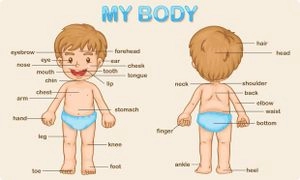
English vocabulary by topic: Human body

Vocabulary of the most popular subjects in English

Learn English about Covid: All about vocabulary and disease prevention
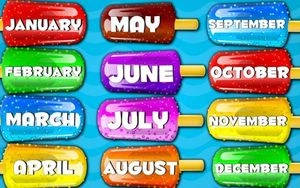
Vocabulary of Subjects in English

Set of 60 English vocabulary on educational topics

Vocabulary - just a small thing!
Comment ()