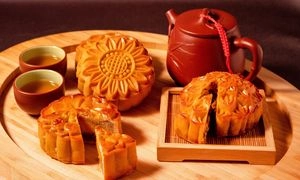
English vocabulary and phrases on Mid-Autumn Festival








curvaceous means . Learn how to pronounce and use curvaceous through vivid examples and easy-to-understand exercises.
 /kɜːˈveɪʃəs//kɜːrˈveɪʃəs/
Okay, let's break down the pronunciation of "curvaceous." It can be tricky! Here's a breakdown, focusing on clarity:
The whole word sounds roughly like: kurv-uh-SEWS (with the emphasis on "SEWS")
Resources for Hearing the Pronunciation:
Would you like me to:
Let's break down how to use the word "curvaceous" effectively and appropriately in English. It's a word with a specific, and sometimes sensitive, meaning.
"Curvaceous" describes a body shape with prominent curves and rounded forms, particularly in the hips, thighs, and buttocks. It's often used to describe a woman's figure. It implies a beautiful, aesthetically pleasing shape characterized by significant curves.
Describing Appearance (Carefully): The most common use is to describe someone’s physical appearance. However, it's generally best used when:
Fashion and Design: You might see it used in writing about fashion or design to describe clothing that flatters a curvaceous figure. ("The dress was designed to accentuate the wearer's curvaceous silhouette.")
Artistic Depiction: It’s acceptable to use it when discussing art, sculpture, or photography that depicts a body with emphasized curves.
Objectification: The biggest concern with “curvaceous” is that it can be perceived as objectifying. It reduces a person to their physical attributes, particularly their shape. Be mindful of this and always prioritize respect.
Alternatives: There are often more neutral and inclusive ways to describe a woman's figure. Consider these:
Gendered Language: “Curvaceous” is primarily used to describe women. While it could technically be used to describe men with a broad, muscular build, it’s far less common and can feel awkward. Use more neutral terms like “muscular,” “strong,” or “athletic” instead.
Personal Preference: Ultimately, people have different preferences about how they’re described. If in doubt, err on the side of caution and avoid using the word.
Resources for Further Understanding:
Disclaimer: I am an AI Chatbot and not a linguistic expert. My response is based on current usage and understanding, but language evolves. It’s always a good idea to be mindful of your audience and the potential impact of your words.
To help me give you even more tailored advice, could you tell me:
English vocabulary and phrases on Mid-Autumn Festival

Tips to improve vocabulary in communication
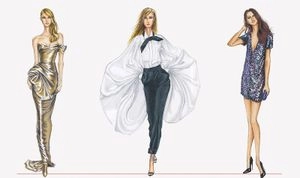
English vocabulary by topic: Clothes

The secret to remembering all 50 English vocabulary words every day easily
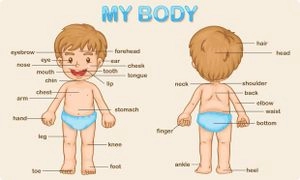
English vocabulary by topic: Human body

Vocabulary of the most popular subjects in English

Learn English about Covid: All about vocabulary and disease prevention
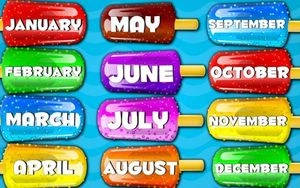
Vocabulary of Subjects in English

Set of 60 English vocabulary on educational topics

Vocabulary - just a small thing!
Comment ()