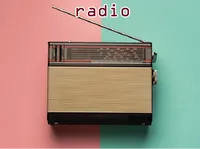
radio là gì? Phát âm và cách dùng trong tiếng Anh

radio nghĩa là sóng vô tuyến. Học cách phát âm, sử dụng từ radio qua ví dụ sinh động và bài luyện tập dễ hiểu.

Định nghĩa & cách phát âm từ radio

radionoun

sóng vô tuyến

/ˈreɪdɪəʊ/
Định nghĩa & cách phát âm từ radio

Từ "radio" trong tiếng Anh có hai cách phát âm phổ biến, tùy thuộc vào vùng miền:

1. Phát âm tiêu chuẩn (General American):

  • /ˈreɪdi.oʊ/
    • ˈreɪ: Phát âm như "rei" (như trong từ "ray")
    • di: Phát âm như "dee"
    • oʊ: Phát âm như "o" kéo dài (như trong từ "go")

2. Phát âm phổ biến ở khu vực Boston (New England):

  • /ˈroʊ.di.oʊ/
    • ˈroʊ: Phát âm như "roh" (như trong từ "row")
    • di: Phát âm như "dee"
    • oʊ: Phát âm như "o" kéo dài (như trong từ "go")

Lời khuyên:

  • Nếu bạn muốn phát âm chuẩn, hãy sử dụng cách phát âm tiêu chuẩn (General American).
  • Nếu bạn nghe giọng người dân Boston, bạn có thể nghe cách phát âm theo khu vực này.

Bạn có thể sử dụng các công cụ trực tuyến sau để luyện phát âm:

Chúc bạn học tốt!

Cách sử dụng và ví dụ với từ radio trong tiếng Anh

Từ "radio" trong tiếng Anh có nhiều cách sử dụng, tùy thuộc vào ngữ cảnh. Dưới đây là một số cách phổ biến nhất cùng với ví dụ:

1. Như một thiết bị (noun - danh từ):

  • Definition: A device that receives and transmits signals through the airwaves.
  • Ví dụ:
    • "I listen to the radio in the car." (Tôi nghe radio trong xe hơi.)
    • "He bought a new radio for his bedroom." (Anh ấy mua một chiếc radio mới cho phòng ngủ.)
    • "The radio station played a popular song." (Radio phát một bài hát nổi tiếng.)

2. Như một đài phát thanh (noun - danh từ):

  • Definition: A broadcast station that sends out signals.
  • Ví dụ:
    • "My favorite radio station is playing classical music." (Trạm radio yêu thích của tôi đang phát nhạc cổ điển.)
    • "The news is often broadcast on the radio." (Tin tức thường được phát trên radio.)

3. "On the radio" (phrase - cụm từ):

  • Definition: Broadcasting on a radio station.
  • Ví dụ:
    • "She was on the radio last night." (Cô ấy đã phát radio vào tối qua.)
    • "He heard her voice on the radio." (Anh ấy nghe thấy giọng nói của cô ấy trên radio.)

4. "Radio show" (noun - danh từ):

  • Definition: A programme broadcast on the radio.
  • Ví dụ:
    • "I enjoy listening to radio shows about history." (Tôi thích nghe các chương trình radio về lịch sử.)
    • "The radio show is very informative." (Chương trình radio rất bổ ích.)

5. "Radio waves" (noun - danh từ):

  • Definition: Electromagnetic waves used for radio transmission.
  • Ví dụ:
    • " Radio waves travel through the air." (Sóng radio truyền qua không khí.)
    • "Scientists study radio waves to learn about the universe." (Các nhà khoa học nghiên cứu sóng radio để tìm hiểu về vũ trụ.)

6. "Radioactive" (adjective - tính từ):

  • Definition: Containing or emitting ionizing radiation. (Thường liên quan đến vật lý và hóa học).
  • Ví dụ:
    • "The area was contaminated with radioactive materials." (Khu vực bị nhiễm bẩn bởi vật liệu radioactive.)
    • "Nuclear power plants use radioactive isotopes." (Nhà máy điện hạt nhân sử dụng các đồng vị radioactive.)

Tóm tắt:

Cách sử dụng Loại từ Nghĩa Ví dụ
Radio Danh từ Thiết bị nghe "I have a radio at home."
Radio station Danh từ Đài phát thanh "My favorite radio station is… "
On the radio Cụm từ Phát sóng "They were on the radio last night."
Radio show Danh từ Chương trình "I listen to a radio show daily."
Radio waves Danh từ Sóng "Radio waves travel very fast."
Radioactive Tính từ Phân hạch “The substance was radioactive."

Bạn muốn biết thêm về một khía cạnh cụ thể nào của từ "radio" không? Ví dụ như cách sử dụng nó trong một ngữ cảnh cụ thể?

Luyện tập với từ vựng radio

Bài tập 1: Điền từ vào chỗ trống

  1. During emergencies, the ________ remains a reliable tool for broadcasting critical information.
  2. She prefers listening to music on her ________ while commuting, rather than watching videos.
  3. The scientist used a ________ telescope to observe distant galaxies, not sound waves. (Nhiễu: từ chỉ công cụ khoa học)
  4. He accidentally left his ________ playing in the garage, so the neighbors complained about the noise.

Bài tập 2: Chọn đáp án đúng

  1. Which of the following are common uses of radio waves? (Chọn 2)
    A. Television broadcasts
    B. Mobile phone signals
    C. Microwave ovens
    D. X-ray imaging

  2. To reduce interference, always ________ your device properly.
    A. tune the radio
    B. adjust the volume
    C. charge the battery
    D. replace the antenna

  3. The term "FM" in radio stands for:
    A. Frequency Modulation
    B. Frequency Meter
    C. Fixed Median
    D. Fast Movement

  4. Which devices typically include a microphone but not a radio? (Chọn 1)
    A. Walkie-talkie
    B. Podcast recorder
    C. Car stereo
    D. Aviation headset

  5. During the storm, the news was only accessible via ________.
    A. internet
    B. newspaper
    C. radio
    D. social media


Bài tập 3: Viết lại câu

  1. Original: "The journalist reported the incident using a wireless communication device."
    → Rewrite using "radio".

  2. Original: "Many people enjoy listening to live broadcasts while driving."
    → Rewrite using a phrase with "radio".

  3. Original: "The astronaut transmitted data to Earth through a satellite system."
    → Rewrite without using "radio".


Đáp án:

Bài 1:

  1. radio
  2. radio
  3. radio (Nhiễu đáp án đúng: "radio telescope" cũng hợp lý, nhưng nếu học viên điền "radar" hoặc "microscope" thì sai)
  4. radio

Bài 2:

  1. B, C (A dùng TV waves, D dùng X-ray; B và C dùng radio waves)
  2. A hoặc D (nhiễu: B/C không liên quan đến interference)
  3. A
  4. B (podcast recorder dùng microphone, không cần radio)
  5. C (nhiễu: A/D không hoạt động khi mất điện)

Bài 3:

  1. Rewrite: "The journalist reported the incident via radio."
  2. Rewrite: "Many people enjoy listening to radio broadcasts while driving."
  3. Rewrite: "The astronaut transmitted data to Earth using a satellite link." (Từ thay thế: "satellite communication")

Bình luận ()