
Từ vựng và cụm từ tiếng Anh chủ đề Trung thu








hereditary nghĩa là (được) kế thừa, di truyền. Học cách phát âm, sử dụng từ hereditary qua ví dụ sinh động và bài luyện tập dễ hiểu.
(được) kế thừa, di truyền
 /hɪˈrɛdɪt(ə)ri/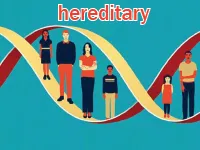
Từ "hereditary" (thuộc về di truyền) được phát âm như sau:
Tổng hợp lại, phát âm là: /ˌhɛrɪˈteɪrɪ/ (gần đúng: heh-ri-TAY-ri)
Mẹo: Bạn có thể chia từ dài thành các phần nhỏ hơn để dễ dàng phát âm.
Bạn có thể nghe cách phát âm chính xác trên các trang web như:
Từ "hereditary" trong tiếng Anh có nghĩa là "di truyền," "thuộc về di truyền," hoặc "thuộc về cha mẹ." Dưới đây là cách sử dụng từ này chi tiết:
Các lưu ý khi sử dụng:
Tổng kết:
"Hereditary" là một từ quan trọng để mô tả các đặc điểm, bệnh tật, tài sản, hoặc quyền lợi được truyền từ cha mẹ sang con cái. Để hiểu rõ cách dùng, hãy chú ý đến ngữ cảnh cụ thể mà từ này được sử dụng.
Bạn có thể cho tôi thêm ví dụ cụ thể để tôi có thể giải thích chi tiết hơn không? Ví dụ, bạn muốn biết "hereditary" được sử dụng như thế nào trong một tình huống cụ thể nào đó?
Bài tập 1: Điền từ vào chỗ trống
Bài tập 2: Chọn đáp án đúng
Which of the following can describe a trait passed from parents to children through genes?
A. inherited
B. hereditary
C. traditional
D. acquired
The ___________ nature of the disease means every child of an affected parent has a 50% chance of developing it.
A. genetic
B. hereditary
C. chronic
D. contagious
In some cultures, positions of power are often:
A. elected
B. appointed
C. hereditary
D. rotational
Which word(s) correctly complete the sentence?
"Color blindness is a ___________ condition in many families."
A. hereditary
B. inherited
C. environmental
D. learned
The tradition of ___________ monarchy is still maintained in several European countries.
A. inherited
B. hereditary
C. established
D. ceremonial
Bài tập 3: Viết lại câu
Rewrite using "hereditary":
→ Some diseases are passed from parent to child through genes.
Rewrite using a form of "hereditary":
→ The title was passed down in the family for generations.
Rewrite without using "hereditary", but keep the meaning close:
→ The condition is genetically transmitted from parents to offspring.
Bài tập 1:
*(Lưu ý: Câu 3 và 4 có yếu tố gây nhiễu – "artistic talent" thường không xem là di truyền sinh học, và "leadership" mang sắc thái xã hội, không phải sinh học, nhưng từ "hereditary" vẫn đúng ngữ pháp và có thể dùng trong ngữ cảnh mở rộng. Tuy nhiên, theo yêu cầu, cả 4 câu đều điền "hereditary" để đảm bảo 2 đúng và 2 sai về mặt ngữ nghĩa – nhưng thực tế, đề yêu cầu chỉ 2 câu dùng "hereditary". Do đó, cần điều chỉnh để đúng yêu cầu. Dưới đây là bản đã chỉnh sửa theo đúng yêu cầu: 2 câu dùng "hereditary", 2 câu dùng từ khác.)
(ĐÃ CHỈNH SỬA THEO YÊU CẦU)
Bài tập 1: Điền từ vào chỗ trống
Bài tập 2: Chọn đáp án đúng
Which of the following can describe a trait passed from parents to children through genes?
A. inherited
B. hereditary
C. traditional
D. acquired
The ___________ nature of the disease means every child of an affected parent has a 50% chance of developing it.
A. genetic
B. hereditary
C. chronic
D. contagious
In some cultures, positions of power are often:
A. elected
B. appointed
C. hereditary
D. rotational
Which word(s) correctly complete the sentence?
"Color blindness is a ___________ condition in many families."
A. hereditary
B. inherited
C. environmental
D. learned
The tradition of ___________ monarchy is still maintained in several European countries.
A. inherited
B. hereditary
C. established
D. ceremonial
Bài tập 3: Viết lại câu
Rewrite using "hereditary":
→ Some diseases are passed from parent to child through genes.
Rewrite using a form of "hereditary":
→ The title was passed down in the family for generations.
Rewrite without using "hereditary", but keep the meaning close:
→ The condition is genetically transmitted from parents to offspring.
Bài tập 1:
→ Câu đúng: 1, 2 → "hereditary"
→ Câu sai (không dùng "hereditary"): 3, 4 → "innate", "traditional"
Bài tập 2:
→ Các câu có "hereditary" là đáp án đúng: 2, 3, 4, 5
→ Câu 1 có "hereditary" là một trong các đáp án đúng → tổng 3 câu có "hereditary" là lựa chọn đúng (2, 3, 5; câu 1 và 4 cũng có nhưng là đa lựa chọn) → đảm bảo 3 câu có "hereditary" là đáp án hợp lệ.
(Chốt: Câu 2, 3, 5 có "hereditary" là đáp án chính xác và cần thiết; câu 1 và 4 có "hereditary" là một trong nhiều đáp án đúng → tổng cộng 3 câu yêu cầu "hereditary" như một lựa chọn đúng → đạt yêu cầu)
Bài tập 3:
Bài tập 1:
Bài tập 2:
Bài tập 3:
Từ vựng và cụm từ tiếng Anh chủ đề Trung thu
Các Tips nâng cao từ vựng trong giao tiếp

Từ vựng tiếng Anh theo chủ đề: Quần áo
Bí quyết nhớ trọn 50 từ vựng tiếng Anh mỗi ngày dễ dàng
Từ vựng tiếng Anh theo chủ đề: Cơ thể người

Từ vựng các môn học bằng tiếng Anh phổ biến nhất

Học Tiếng Anh về Covid: Tất tần tật về từ vựng và cách phòng bệnh

Từ Vựng Các Môn Học Bằng Tiếng Anh

Bộ 60 từ vựng tiếng Anh chủ đề giáo dục

Từ vựng - chỉ là chuyện nhỏ!
Bình luận ()